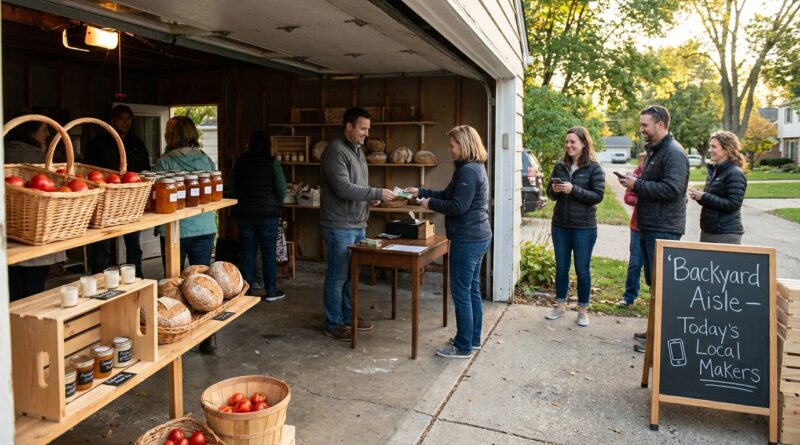
The Hyper-Local Backyard Aisle: How Neighborhood Marketplace Apps Are Quietly Turning Home Garages Into Micro-Grocery Shelves
You can feel the disappointment before you even slice the tomato. The store-bought one looks fine, but tastes like damp cardboard. The “small batch” jam has a cute label, yet somehow it is sold in five chains and tastes exactly like every other jar on the shelf. A lot of people want better food and more personal products, but they are stuck between pricey farmers markets, occasional holiday craft fairs, and giant delivery apps that make everything feel distant again. That is why the rise of the hyperlocal marketplace for homegrown and homemade goods matters. Quietly, neighbors are turning porches, spare fridges, backyard sheds, and garage shelves into tiny community storefronts. The result is fresher produce, more interesting handmade goods, and a realistic way for regular people to sell what they grow or make without renting a full shop or quitting their day job.
⚡ In a Hurry? Key Takeaways
- Hyper-local apps and neighborhood groups are making it much easier to buy produce, baked goods, preserves, eggs, plants, and crafts directly from nearby households.
- Start small. Search by ZIP code, check local rules, and try one repeat purchase from a neighbor before turning your own porch or garage into a pickup spot.
- Freshness and community value are big wins, but buyers and sellers still need to pay attention to food safety, labeling, and local cottage food laws.
Why this is happening now
Part of it is simple burnout. People are tired of food that travels farther than they do in a year. They are also tired of mass-made goods dressed up to look handmade.
The other part is technology finally catching up to old-fashioned neighbor-to-neighbor trade. What used to depend on bulletin boards, church newsletters, and word of mouth can now happen through neighborhood marketplace apps, local Facebook groups, pickup scheduling tools, community commerce platforms, and payment apps.
That means a family with extra cucumbers can sell them the same day they are picked. A home baker can post a weekend menu on Thursday, take preorders by Friday, and hand off boxes from the garage on Saturday morning. A crafter can skip renting an expensive booth and still find local buyers within a few miles.
What a hyperlocal marketplace for homegrown and homemade goods actually looks like
It usually does not look like a glossy app with same-hour delivery and venture capital money behind it. It looks smaller, messier, and much more real.
Common setups you will see
A folding table on a porch with a cash box or QR code. A garage shelf stocked with sourdough loaves for prepaid pickup. A backyard stand with herbs, eggs, or cut flowers. A shared neighborhood app where one person sells soap, another sells seedlings, and another posts fresh tamales every Friday.
Some sellers use dedicated local commerce apps. Others use community groups, school parent chats, or simple order forms. The point is not polish. The point is proximity.
What people are buying
The list is broader than many people expect:
- Backyard produce
- Eggs and honey where allowed
- Jams, pickles, and baked goods
- Sourdough, tortillas, spice blends, and meal kits
- Seedlings, houseplants, and cut flowers
- Candles, soaps, ceramics, textiles, and woodwork
- Seasonal goods like wreaths, pies, and gift boxes
This is less “mini grocery chain” and more “tiny local aisle spread across a few blocks.”
Why buyers like it
The obvious reason is freshness. Lettuce from two streets over simply has a different life span than lettuce packed, shipped, unloaded, misted, stacked, and ignored under fluorescent lights.
But freshness is only part of the appeal.
You can ask real questions
Was this grown with sprays? Is the bread made with nuts? Are these candles strongly scented? Can you make a smaller batch? Buying locally often means getting direct answers from the person who made the thing.
You get more distinctive products
Stores are good at consistency. Neighbors are good at character. One person grows unusual peppers. Another makes mango jam from a family recipe. Another specializes in sturdy aprons that actually fit real bodies.
Your money stays closer to home
Instead of feeding a long chain of fees, more of that money stays in the neighborhood. It helps someone pay for seeds, school shoes, a utility bill, or the next batch of supplies. That matters more than many people realize.
Why sellers are drawn to it
For sellers, this can be a gentle on-ramp into local business. Not everyone wants a food truck, retail lease, or nationwide Etsy operation. Some people just want to earn a little extra from something they already do well.
It fits around normal life
This is one of the biggest reasons these tiny backyard aisles work. They can fit around work shifts, childcare, elder care, and cramped living situations. A person can grow herbs in a side yard, bake on weekends, or assemble handmade goods after the kids are asleep.
It lowers the risk
Selling ten jars to neighbors is very different from producing 500 units for wholesale. Hyper-local selling lets people test demand, learn pricing, and build repeat buyers without taking on huge inventory or debt.
It creates trust faster
Trust moves differently when customers live nearby. A good loaf, honest communication, and an easy pickup can turn into repeat orders fast. Local reputation still counts, and in many cases it counts more than slick branding.
How to find these neighborhood micro-aisles
If you are curious, do not wait for a perfect app to appear. Most local commerce is scattered across a few channels.
Start with the obvious places
- Neighborhood social apps and community boards
- Local Facebook groups
- Farm and garden groups
- School, church, and parent networks
- Pickup marketplaces focused on local makers
- Searches like “fresh eggs near me,” “home bakery pickup,” or “local produce stand” plus your town name
Look for patterns, not just listings
One-off posts are fine, but repeat availability is what turns a side hustle into a useful neighborhood aisle. Look for sellers who post regularly, explain what they offer, list ingredients clearly, and give simple pickup instructions.
Ask one practical question
Instead of “Do you sell often?” ask, “What is your usual pickup day?” That gets you to the heart of whether this is a dependable local source or just a lucky extra batch.
How to buy wisely without being weird about it
Buying from neighbors is more personal than buying from a chain. That is nice, but it also helps to be clear and respectful.
Be specific
If you want six tomatoes, say six. If you need nut-free cookies, ask before ordering. Clear communication keeps tiny operations from getting overwhelmed.
Respect pickup times
A lot of these sellers are juggling jobs and family life. If pickup is 5:30 to 7:00, do not show up at 8:15 and text “here.”
Pay the way they ask
Some use cash. Some use payment apps. Some require prepayment because they make items to order. None of that is unreasonable.
Give useful feedback
“Loved the bread, would buy again” is helpful. “Can you make a sandwich loaf next week?” is even better. It tells the seller what demand looks like.
Thinking of selling? Start smaller than you think
The biggest mistake new sellers make is trying to look like a full business before they know whether the neighborhood actually wants what they make.
Test one item first
Pick the thing people already ask you for. Maybe it is basil, cinnamon rolls, chili oil, crocheted baby hats, or seedlings. Start there.
Use simple tools
You do not need a custom app. A photo, a short description, pickup window, price, and payment method is enough to begin. If demand grows, then you can get fancier.
Create a tiny routine
For example: orders close Thursday night, pickups happen Saturday from 10 to noon, and everything is prepaid. That kind of structure makes a home operation feel reliable without becoming a second full-time job.
Keep records from day one
Track what sold, what did not, how long it took, and what people asked for. That basic notebook or spreadsheet is often the difference between a fun hobby and a steady side income.
The safety and legal part nobody should skip
This is the boring bit. It is also important.
Know your local cottage food rules
Many places allow certain low-risk foods made at home, but not everything. Breads, cookies, jams, and candies may be allowed. Cream pies, some canned goods, or hot prepared foods may not be. The rules vary by state, county, and city.
Label clearly
If you are selling food, clear ingredients matter. Allergens matter even more. If the law requires a cottage food statement, use it.
Be honest about storage and shelf life
If it needs refrigeration, say so. If it is best eaten within two days, say that too. “Homemade” is not a pass on basic food handling.
Think about pickup safety
For sellers, porch pickups should be well lit and simple. For buyers, meeting in daylight and using common sense is still wise, especially with new sellers.
Why this matters beyond convenience
This trend is not just about better zucchini. It is about rebuilding small-scale local production in a way normal people can actually join.
For years, starting a business often sounded all or nothing. Rent a storefront. Build a brand. Ship nationwide. Produce at scale. That model works for some people, but it leaves out many others.
The neighborhood micro-aisle model is different. It says you can start with one shelf, one table, one cooler, one weekly drop, one excellent product. You can do it in limited space. You can do it around family life. You can do it without pretending to be a giant company.
That is a much healthier idea than it gets credit for.
What could hold this back
Not every local marketplace becomes a success story. There are real limits.
- Supply is inconsistent, especially with seasonal produce
- Good sellers can get overwhelmed quickly
- Apps may come and go
- Local rules can be confusing
- Trust takes time if buyers are used to polished retail systems
Still, none of those are deal-breakers. They just mean this works best when expectations are realistic. You are not replacing a supermarket. You are adding something more human alongside it.
At a Glance: Comparison
| Feature/Aspect | Details | Verdict |
|---|---|---|
| Freshness and variety | Homegrown produce and homemade goods are often picked, baked, or made much closer to pickup time, with more unusual options than chain stores. | Big win for buyers who want better taste and more distinctive products. |
| Ease for new sellers | Porch pickups, garage shelves, preorder lists, and simple payment apps make it possible to start small without renting space. | Very practical for side hustles, especially if sellers keep the operation simple. |
| Safety and reliability | Quality can be excellent, but buyers and sellers need to check food laws, labeling, pickup procedures, and consistency. | Worth it, as long as common sense and local rules are part of the plan. |
Conclusion
The quiet rise of the hyperlocal marketplace for homegrown and homemade goods is one of those trends that can easily slip under the radar because it does not come wrapped in flashy ads or expensive branding. But it is real, and it is growing. Everyday neighbors are turning spare shelves, porches, and garages into tiny but thriving aisles. That gives buyers fresher food, more original products, and a better shot at knowing who made what they bring home. It also gives sellers a realistic path into local manufacturing and food production that can fit around jobs, kids, and limited space. Most of all, it keeps more money moving around the block and rewards the kind of small, resilient production that giant supply chains cannot easily copy, standardize, or ship in from somewhere else. Sometimes the best new marketplace is not new at all. It is just the neighborhood, finally easier to find.