The Hyper-Local Fix-It Shift: How Neighborhood Repair Tables Are Quietly Becoming Micro-Factories
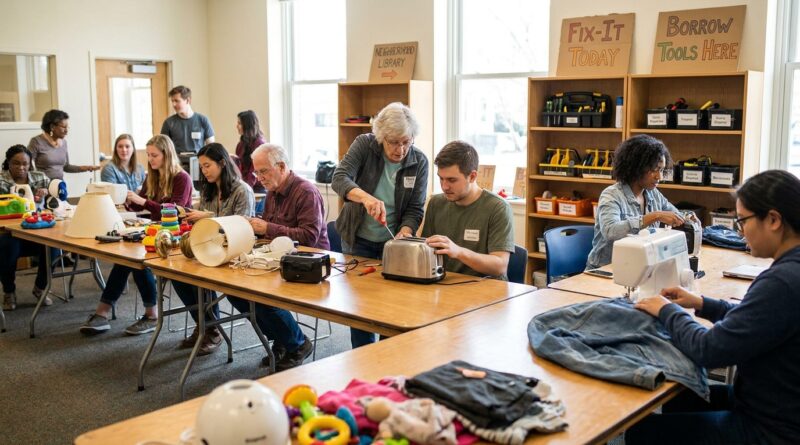
You know the feeling. A lamp stops working, a chair starts wobbling, or a coffee grinder makes one ugly noise and gives up. The item is probably fixable, but most people hit the same wall. No tools. No spare parts. No clue where to start. So perfectly salvageable stuff ends up on the curb. At the same time, local makers and repair-minded shop owners are trying to get noticed in a market flooded with cheap imports and factory-made goods dressed up as “handmade.” That is why the rise of the community repair cafe, the tool library, and public makerspace matters so much right now. These neighborhood repair tables are turning into something bigger than a nice weekend activity. They are becoming tiny, practical micro-factories. Places where skills, tools, trust, and local business all meet in one room, and where fixing something small can spark a much bigger local economy.
⚡ In a Hurry? Key Takeaways
- Neighborhood repair events are growing into local production hubs where people fix, adapt, and extend the life of everyday items.
- If you are a local maker, start showing up at a community repair cafe or tool library event. Being the person who saves a lamp or chair is a strong way to earn trust.
- Use organized groups with insurance, safety rules, and shared tools. It protects volunteers and makes repair events easier to run well.
Why this shift matters now
For years, repair felt like a side hobby. Something a handy neighbor did in a garage. Now it is becoming more visible, more organized, and a lot more useful to regular people.
Libraries are adding makerspaces. Tool libraries are lending out gear people would never buy for one small job. Repair Cafés and fix-it clinics are popping up in church halls, schools, coworking spaces, and community centers. National support groups are also making it easier for small local teams to host events with waivers, insurance options, volunteer guides, and event templates.
That changes the game. A folding table with a soldering iron and wood glue does not look like a factory. But in practice, it acts like one. It takes damaged goods in, adds skilled labor, uses shared tools, and sends useful goods back out into the neighborhood.
From repair table to micro-factory
“Micro-factory” sounds fancy, but the idea is simple. A neighborhood repair setup can do small-scale production work that big retailers cannot or will not do.
It creates value from things people already own
A loose table leg gets tightened and reinforced. A lamp gets rewired. A broken zipper gets replaced. A bike brake gets adjusted. Nothing new had to be manufactured from scratch. Yet the item becomes useful again.
It supports custom fixes
Big-box stores sell replacements. Local fixers solve oddball problems. Maybe a part has to be adapted. Maybe a bracket needs to be 3D printed. Maybe a piece of wood needs to be cut to fit an older chair no one makes parts for anymore.
It keeps skill and spending local
When people bring a broken item to a local event, they often discover the furniture maker, bike mechanic, electronics tinkerer, seamstress, or knife sharpener who lives five minutes away. That relationship matters. It often turns one repair into future paid work.
If you want a wider look at how these neighborhood events are pushing back against throwaway culture, The Hyper-Local Repair Table: How Neighborhood Fixers Are Quietly Beating Planned Obsolescence One Saturday At A Time is well worth your time.
Why local makers should pay attention
If you make furniture, fix electronics, sharpen tools, sew, weld, print parts, or build custom household goods, this is not just a feel-good trend. It is a business opening.
Repair builds trust faster than selling does
People are cautious buyers. They are much less cautious when someone helps them save an object they already care about. Repair work shows your skill in a very direct way. A customer can see it. They can test it. They can tell their neighbor.
It sets you apart from mass-produced “artisan” goods
Lots of online shops look local but are really storefronts for bulk products. Repair is harder to fake. If you can restore a stool, patch a small appliance, or fabricate a missing part, you are showing real local value.
It opens up repeat business
The person who meets you at a fix-it event today may call you next month for custom shelves, a refurbished lamp set, bike tune-ups, or a run of replacement parts for an older building.
What is driving the rise of the community repair cafe and tool library?
A few things are happening at once.
People are fed up with replacing everything
Household budgets are tight. Many products are not built to last. And customer support for small repairs is often terrible. That pushes people toward local help.
Shared tools make repair realistic
Most people do not need their own rivet gun, soldering station, specialty bits, or clamp set. But they do need access for one afternoon. Tool libraries solve that problem beautifully.
Makerspaces lower the intimidation factor
A public workshop with guidance feels less scary than trying to learn from random videos while holding a half-open toaster on your kitchen table.
Communities want less waste
Repair is practical environmentalism. It is not abstract. You can point to the blender, jacket, bike, or lamp that did not go into the trash.
How to get involved without turning it into chaos
The best local repair efforts are friendly, but they are not sloppy. A little structure goes a long way.
For residents
Start with one item that is worth saving but not dangerous if it stays broken. A lamp, small table, backpack, drawer, or bike is a good candidate. Bring any manuals or extra parts if you have them. Be open to the answer “repairable, but not today.”
For local makers
Pick a lane. Do not try to be the hero for every broken object in the room. Maybe you are the “small wood repairs” person. Maybe you handle cords, switches, and lamp sockets. Maybe you specialize in sewing and patching. Clear boundaries make you more useful, not less.
For organizers
Work with established repair networks, libraries, or tool libraries when possible. They often already know how to handle volunteer sign-ups, safety checks, tables, intake forms, and insurance questions. That support can be the difference between a one-off event and a program that lasts.
Safety matters more than enthusiasm
This part is not glamorous, but it is important.
Not everything should be a community repair project
Microwaves, lithium battery packs, damaged power tools, cracked helmets, and structural safety gear can be risky. Some fixes should go to a trained pro. Some items should be recycled instead of revived.
Use simple rules
Have a basic intake process. Label repaired items clearly. Explain when a fix is temporary, experimental, or cosmetic. Keep extension cords, blades, soldering tools, and adhesives under control. Good repair culture includes saying “no” when needed.
Insurance and liability are not optional details
This is where national and regional support groups can help. Many now offer playbooks and frameworks for safe public events. That makes it easier for local teams to focus on helping people instead of guessing their way through risk.
What this looks like in the real neighborhood economy
The big win is not just one repaired toaster.
It is a local chain reaction. The tool library gets new members. The makerspace gets more foot traffic. A repair volunteer gets custom work. A local hardware store sells fasteners and cords. A teenager learns how to fix a bike and starts a side hustle. A library becomes a place people visit not just for books, but for practical help.
That is why these repair tables feel more like micro-factories than hobby clubs. They produce useful outcomes, create local demand, and build a reputation network that online marketplaces cannot copy.
At a Glance: Comparison
| Feature/Aspect | Details | Verdict |
|---|---|---|
| Community repair cafe | Best for guided help, shared skills, and low-cost fixes on everyday items | Great starting point for residents and makers |
| Tool library | Lets people borrow tools they only need once or twice, often with basic instruction | High value, low cost, very practical |
| Local makers | Bring specialized skill, custom fixes, and follow-up services that stores do not offer | Best long-term trust builder in the local economy |
Conclusion
This is one of those rare trends that is both warm-hearted and hard-headed. Today there is a clear spike in community repair energy. Libraries and tool libraries are ramping up public makerspaces, Repair Cafés, and DIY fix-it events, and national groups are launching hubs that help small teams host their own repair days with proper insurance and support. If you are a resident, it means you have more ways to save the things you already own. If you are a local maker, it is a chance to become known not just for what you sell, but for what you can save. That builds trust, cuts waste, and keeps money moving inside the neighborhood instead of sending it off to big-box stores and fast-delivery platforms.