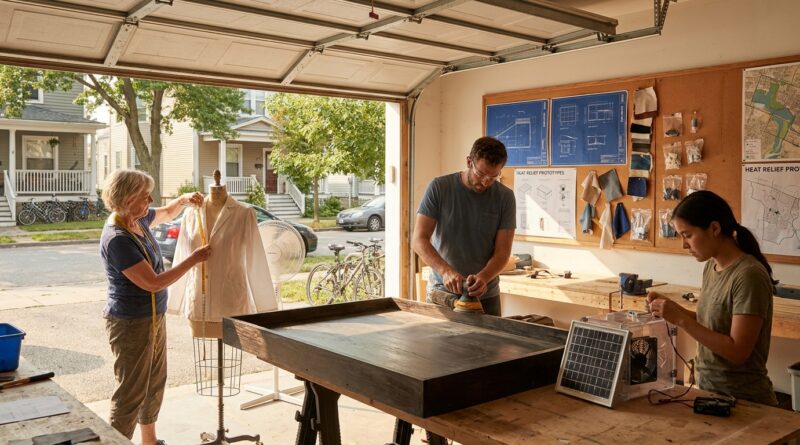
The Hyper-Local Climate Workshop: How Neighborhood Makers Are Quietly Turning Extreme Weather Into New Jobs And Gear
When the power flickers, the roads flood, or smoke turns the sky orange, a lot of people have the same sinking feeling. The stuff we depend on was often designed somewhere else, shipped from far away, and built for averages that do not match our block, our home, or our weather. That is why hyper local climate resilient products are starting to matter so much. They are not fancy concept items. They are practical things made by neighborhood workshops, small factories, repair shops, and makers who know exactly what late-summer heat feels like on your street and what winter rain does to your porch, windows, and basement. The quiet shift is this. Instead of waiting for big brands to catch up, local businesses are making shade panels, flood-ready steps, mold-resistant cushions, better window covers, and low-energy cooling gear tuned to the homes around them. For homeowners and renters alike, that can mean faster fixes, smarter design, and money staying close to home.
⚡ In a Hurry? Key Takeaways
- Hyper local climate resilient products are home and neighborhood items designed for your area’s actual heat, rain, flood, wind, or smoke problems.
- Start by looking for local makers solving one specific issue, like sun-blocking curtains, mold-safe upholstery, raised entry steps, or custom vent covers.
- Ask how the product performs in your local conditions, what materials it uses, and whether it can be repaired, not just replaced.
Why this is happening now
People are tired of buying generic gear that looks good online but falls apart in real weather. A blackout during a heat wave makes that frustration feel very personal. So does a basement that keeps getting damp, or patio furniture that turns moldy after one smoky, wet season.
At the same time, small shops have better tools than they used to. A neighborhood sewing room can source smarter fabrics. A wood shop can use CNC cutting for custom flood barriers or porch risers. A local metal fabricator can build shade brackets that fit older homes instead of forcing everyone into one-size-fits-all kits.
That is the heart of the move toward hyper local climate resilient products. It is not just about buying local because it feels nice. It is about getting gear that matches local weather, local building styles, and local risks.
What counts as a hyper-local climate product?
Think small, useful, and specific.
Heat-focused products
These can include reflective window inserts, exterior shade panels, breathable blackout curtains, porch awnings sized for row houses, and low-energy fans built into custom window frames. A local maker may know that west-facing apartments on your side of town get cooked in late afternoon. That matters.
Flood and storm products
On flood-prone blocks, local workshops are making raised porch steps, storage benches with water-safe materials, custom garage barriers, drain covers, and modular shelving that keeps valuables off the floor. These are not glamorous. They are useful, and useful wins.
Moisture and mold products
In humid climates, upholsterers and fabric shops are testing mold-resistant padding, quick-dry cushions, washable wall panels, and covers that can survive repeated damp spells. Big stores may sell “outdoor” fabric. A local shop may know which fabric actually survives your rainy season.
Smoke and air-quality products
In wildfire regions, some makers are building DIY-friendly window sealing kits, box fan filter housings, custom door sweeps, and furniture covers that are easier to clean after smoke events. Again, simple beats flashy.
Why local makers often beat big brands
Big brands build for scale. That means broad assumptions. Local makers build for conditions. That means better fit.
A distant company might sell a standard shade cloth. A neighborhood shop may ask which side of the house overheats, what your windows are made of, and whether your landlord allows exterior mounting. That extra context is where better outcomes come from.
There is also the repair factor. If a custom sun screen tears, you may be able to get it patched by the same shop that made it. If a raised flood step needs a tweak after the next storm, someone local can often adjust it. That is a huge difference from ordering another replacement and waiting weeks.
How to find the right local workshop
You do not need to hunt for some trendy climate startup. Start with the businesses already making things nearby.
Look in unglamorous places
Check upholsterers, awning shops, marine canvas shops, sign makers, cabinet shops, welders, carpenters, screen repair businesses, and local sewists. Many already have the skills and equipment. They may simply be applying them to new climate needs.
Search by problem, not product
Instead of searching for “climate adaptation gear,” try searches like “custom shade panels near me,” “mold resistant cushions local,” “raised entry steps flood area,” or “window heat barrier custom.” You will often find the right people faster.
Ask neighborhood groups
Talk to community associations, local hardware stores, buy-nothing groups, and block chats. The best local recommendations rarely come from ads. They come from the person down the street who already solved the same problem.
Questions to ask before you buy
This is where non-techy buyers can protect themselves.
Ask what local problem it solves
If the seller cannot explain exactly how the product handles your area’s heat, rain, wind, or smoke, keep looking. “Climate-friendly” is too vague.
Ask what materials are used
Find out if fabrics resist mildew, whether finishes can handle sun exposure, and whether wood or metal parts are suited for your humidity or salt air. Nice language is not enough. You want specifics.
Ask for nearby examples
A good local shop should be able to point to jobs in your city or similar neighborhoods. Even better if they can show how the item held up after one season.
Ask about repair and maintenance
Can the product be cleaned, patched, refinished, or modified later? Climate-resilient should also mean budget-resilient.
What to back first if your budget is tight
You do not need to redo your whole home. Pick the fix that reduces the most stress.
If heat is your main issue, start with custom shade, reflective inserts, or better curtains. If flooding is the problem, focus on entryways, storage, and anything sitting at floor level. If smoke is seasonal, spend on sealing and filtration accessories before decorative upgrades.
The best part of hyper local climate resilient products is that they can grow with your budget. One useful item now can lead to a smarter, safer home over time.
Why this creates real jobs, not just good intentions
This trend matters because it is not only about consumer choice. It is also about local work.
When a sewing room starts making sun-shade curtains from climate-friendly fibers, that is a job. When a small wood shop begins CNC-cutting flood-ready porch parts, that is a job. When an upholsterer experiments with mildew-resistant fillings for basement apartments or covered porches, that is a job too.
And unlike some abstract climate talk, these jobs are tied to visible needs people already have. Cooler rooms. Drier entryways. Cleaner indoor air. Safer steps. Better storage. Less waste.
Watch for greenwashing
Not every local product is automatically good, and not every climate label means much.
Be careful with vague claims like “eco,” “future-ready,” or “weather smart” with no performance details. Ask how the product was tested. Ask what happens after a season of use. Ask what failed in earlier versions and what they changed. Honest makers usually like these questions because they have real answers.
What this means for your neighborhood
There is something reassuring about buying from someone who understands your street, not just your shipping address. They know which blocks flood first. They know the old brick apartments that trap heat. They know the porch styles that rot. They know the wind tunnel corners downtown.
That kind of knowledge has been underrated for years. Now it is becoming a real advantage.
At a Glance: Comparison
| Feature/Aspect | Details | Verdict |
|---|---|---|
| Local fit | Products can be designed around your street’s heat, humidity, flood risk, and building style. | Usually better than generic national products. |
| Cost and value | Upfront cost may be higher, but repairability and longer life can save money. | Worth it when the product solves a recurring problem. |
| Availability | Lead times may vary, but local communication and custom changes are often easier. | Best for buyers who want a smarter fit, not instant checkout. |
Conclusion
The rise of hyper local climate resilient products is really about two things people feel every day. Worry about harsher weather, and frustration with one-size-fits-all goods that do not hold up where they live. The good news is that answers are showing up in plain sight. In the upholstery shop testing mold-resistant fabric. In the sewing room making better shade curtains. In the micro-factory cutting raised porch steps for flood-prone homes. Backing those businesses can make your home safer and more comfortable while keeping money in your community. That is a practical response to climate anxiety. Small, local, useful, and real.