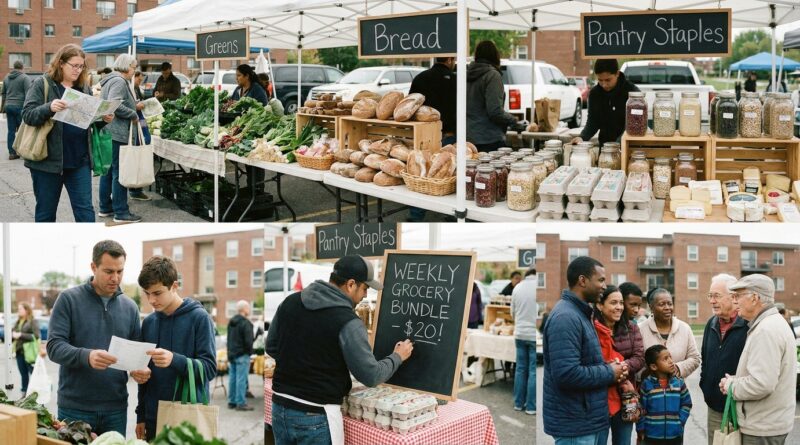
The Hyper-Local Grocery Swap: How Neighborhood Maker Markets Are Quietly Replacing Big-Box Aisles For Everyday Shopping
Grocery shopping feels personal again when the bill keeps climbing, the lettuce goes bad in two days, and every other week seems to bring a new food safety headline. That wears people down. A lot of families want to buy local, but farmers markets can still seem like a treat, not a real plan for feeding the house all week. The good news is that many neighborhood maker markets, farm stands, co-ops, and small vendor pop-ups are already filling that gap. You just have to shop them a little differently than a supermarket. If you stop thinking of the market as a place to grab one fancy jam and a loaf of sourdough, it starts to look a lot more like a usable grocery aisle. With a simple routine, you can cover produce, eggs, bread, pantry basics, and even freezer meals while spending smarter and getting food that actually tastes like something.
⚡ In a Hurry? Key Takeaways
- Yes, you can use farmers markets for weekly groceries if you shop with a list, know seasonal basics, and treat it like your main produce stop, not a splurge outing.
- Start by replacing just half your supermarket trip with local staples like vegetables, eggs, bread, milk, beans, and frozen or shelf-stable foods from trusted vendors.
- Local does not automatically mean cheaper or safer, but it often gives you fresher food, clearer answers about where it came from, and less waste from produce that lasts longer.
Why local markets are starting to feel less like a hobby and more like a grocery plan
For years, big-box grocery stores won on convenience. One parking lot. One cart. One receipt. But that deal has gotten shakier. Prices change fast. Produce can look decent on the shelf and taste like wet paper at dinner. And when a recall hits, shoppers are reminded how far their food can travel before it reaches the fridge.
That is why hyper-local shopping is quietly growing. Not just the classic Saturday farmers market, but neighborhood maker markets, small-scale food halls, co-op buying clubs, church-lot produce sales, community-supported agriculture pickups, and local freezer-meal vendors. They are becoming everyday food sources.
The shift is not really about romance. It is about trust, flavor, and getting through the week without wasting money.
How to use farmers markets for weekly groceries without doubling your budget
1. Stop trying to buy everything there on day one
This is where many people give up. They walk into a market expecting it to replace the entire supermarket in one trip. That can feel expensive and chaotic.
Instead, split your groceries into three buckets:
- Best bought local: produce, eggs, bread, herbs, cheese, honey, jams, fresh pasta, mushrooms, meat if the price works for you.
- Fine from the regular store: cereal, paper goods, cleaning products, basic canned goods, snacks your kids are loyal to.
- Worth comparing each week: milk, yogurt, butter, dried beans, rice, chicken, ground beef, freezer items.
If you start by moving just produce and a few staples to local vendors, you can make real progress without turning shopping into a project.
2. Make a “market-first” grocery list
Write your list in order of what you need, not by recipe fantasy. A good weekly local-market list usually looks like this:
- 5 to 7 vegetables
- 2 to 4 fruits
- 1 protein add-on like eggs, chicken, sausage, beans, or cheese
- 1 bread or grain item
- 1 pantry helper like salsa, soup, pickles, stock, or sauce
Then add a backup note next to each item. Example: “Spinach, or kale if spinach is pricey.” “Tomatoes, or carrots if tomatoes look tired.” That one habit keeps you flexible and stops overspending.
3. Shop seasonally, even a little
You do not need to memorize crop charts. Just know the basic rule. The produce that is piled high is usually the best value. The produce that appears in tiny, precious baskets is usually not.
In other words, if the stand is overflowing with zucchini, cucumbers, cabbage, potatoes, apples, or greens, that is your signal. Build meals around abundance. Save the out-of-season cravings for the regular grocery store if needed.
4. Ask one useful question, not twenty
Some people avoid local markets because they do not want to feel awkward. Fair enough. You do not need to interview every farmer.
Just ask one or two practical questions:
- “What lasts best for the week?”
- “What is the best value today?”
- “Which of these is ripe now, and which should I save for later?”
That gets you better food and a better plan. It also tells you quickly which vendors are helpful and transparent.
What a real weekly market grocery trip can look like
Here is a realistic example for a small household:
- Eggs
- One loaf of bread
- Salad greens
- Tomatoes or carrots
- Onions
- Potatoes or sweet potatoes
- Seasonal fruit
- One cheese or yogurt item
- One prepared item like soup, tamales, dumplings, or pasta sauce for a busy night
That kind of haul can cover breakfasts, lunches, sides, snacks, and two or three dinners. Then you use the supermarket for the remaining gaps. This is usually where local shopping starts to make sense. It is not all or nothing.
Why “maker markets” matter, not just produce stalls
The phrase “maker market” sounds a little trendy, but the idea is practical. These are markets where local people sell what they grow, bake, ferment, preserve, or prepare nearby. That can mean tortillas, spice blends, prepared meals, mushrooms, broths, frozen pies, granola, nut butters, or small-batch dairy.
That matters because weekly groceries are not just raw ingredients. Real life needs shortcuts. If a neighborhood market helps you buy fresh spinach, eggs, and a tray of enchiladas for Thursday night, that is not cheating. That is infrastructure.
How to save money instead of accidentally treating the market like a date
Set two budgets
Use a core groceries budget and a fun extras budget. For example, $35 for produce and staples, $10 for treats. Once the treat budget is gone, no more candles, fancy cookies, or peach-lavender syrup.
Go later if discounts are common, earlier if selection matters
Some vendors discount toward the end of the market. Others sell out early and never mark down. Watch for a couple of weeks and learn the pattern.
Buy “ugly” or bulk produce on purpose
Many vendors sell seconds, canning boxes, or mixed bags at lower prices. Slightly bruised tomatoes are perfect for sauce. Soft peaches become smoothies. Bent carrots still roast.
Track what actually gets eaten
The cheapest food is the food you do not throw away. Local produce often lasts longer because it is fresher, but only if you buy the right amount. Two bunches of kale with good intentions are still waste if one turns to sludge in the crisper drawer.
Food safety is a fair concern, so shop smart instead of assuming
People often think local food is automatically safer. That is too simple. Big systems can spread problems farther, faster. Small systems are not magic either.
What local shopping does offer is a shorter line between you and the source. You can ask where the greens were grown, how eggs are handled, whether meat is frozen on site, or when something was harvested. That is useful.
Look for basics you would expect anywhere:
- Coolers that are actually cold
- Clean tables and packaging
- Clear labeling
- Vendors willing to answer plain questions
- Products protected from sun, flies, and cross-contact
If something feels off, skip it. Trust works both ways.
How to build a local shopping routine in four weeks
Week 1: Scout
Walk the market once without pressure. Note prices on eggs, greens, potatoes, fruit, bread, and meat. See who takes cards. See who offers preorders.
Week 2: Replace produce
Use the market for most of your fruits and vegetables. Keep the rest of the grocery trip normal.
Week 3: Add two staples
Add eggs and bread, or yogurt and cheese, or beans and tortillas. Pick items your household already eats every week.
Week 4: Add one convenience item
Choose one local ready-to-eat or nearly ready item for a night when cooking would normally collapse into takeout.
By the end of a month, you will know whether local shopping is helping your budget, reducing waste, and making meals taste better.
What to do if your area does not have a classic farmers market
You can still grocery shop locally. Look for:
- Farm stands
- CSA pickups with flexible boxes
- Neighborhood produce subscriptions
- Food co-ops
- Local butcher shops
- Community freezers or bulk-buy clubs
- School, church, or community-center pop-up markets
The goal is not the exact format. The goal is a shorter, more trusted food chain that you can actually use every week.
Signs a local market can become part of your normal life
- You can buy at least 5 regular items there.
- The prices on a few basics are competitive.
- The food keeps longer or tastes better.
- You know which vendors match your budget.
- You leave with ingredients for meals, not just treats.
Once those boxes are checked, the market stops being a special outing. It starts functioning like a neighborhood grocery wing.
At a Glance: Comparison
| Feature/Aspect | Details | Verdict |
|---|---|---|
| Price | Some local items cost more, but seasonal produce, eggs, seconds, and bulk buys can compete well, especially when less gets wasted. | Best used for strategic swaps, not blind spending. |
| Freshness and flavor | Produce is often harvested closer to sale, so texture and taste are noticeably better, and shelf life may improve. | One of the strongest reasons to shop local weekly. |
| Convenience | You may need a mix of market, farm stand, and regular grocery store, especially at first. | Less convenient at the start, but easier once you build a routine. |
Conclusion
Right now, families are dealing with higher food costs, more worries about where fresh food comes from, and too many bland, disappointing grocery runs. That is exactly why learning how to use farmers markets for weekly groceries matters. You do not need to become a full-time homesteader or spend your Saturday morning comparing artisanal pickles. Just start with a plan. Shift produce first. Add a few staples. Learn which local vendors help you eat well without blowing the budget. Done that way, neighborhood markets become more than a nice weekend errand. They become practical, trusted food infrastructure that keeps money closer to home and gives your household a little relief right when it needs it.