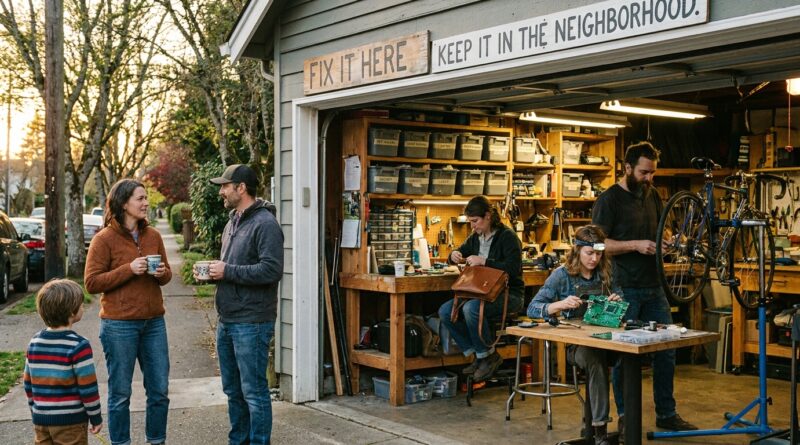
The Hyper-Local Repair Shop Revival: How Neighborhood Fixers Are Quietly Beating Throwaway Culture
Your toaster quits. Your bike needs a new brake cable. Your laptop battery swells just enough to make you nervous. So you do what most people do. You check the manufacturer, call the chain store, or search for a replacement. Then the bad news lands. The repair is “not worth it,” parts are backordered, or the shop would rather sell you a new one. That gets old fast. People are tired of being pushed toward the trash can every time something small breaks. The good news is that the hyper local repair shop is making a quiet comeback. Not with flashy ads or giant storefronts, but through neighborhood bike mechanics, phone screen fixers, sewing specialists, appliance tinkerers, and laptop techs working out of modest workshops. They are winning because they offer something big retailers often cannot. Honest advice, fair prices, quick turnarounds, and the comfort of talking to a real person who lives nearby.
⚡ In a Hurry? Key Takeaways
- A hyper local repair shop can often fix everyday items faster and more affordably than a big-box replacement route.
- Start by asking neighbors, local social groups, and nearby markets for repair referrals before buying new.
- Good repair culture saves money, cuts landfill waste, and builds trust, but always ask about warranties, parts, and safety checks first.
Why repair is suddenly looking smart again
For years, buying new felt easier than fixing old. Stores were full, shipping was quick, and many products were made to be cheap up front. But that bargain has started to crack.
Prices are up. Delivery times can still be unpredictable. Some products feel flimsier than they used to. And plenty of people have learned the hard way that replacing a simple item can cost a lot more than expected once you add accessories, setup time, and the headache of getting rid of the broken one.
That is where the hyper local repair shop steps in. A nearby fixer does not need to talk you into a full replacement plan. They just need to solve the problem in front of them. Sometimes that means a $20 part and 30 minutes of labor. Sometimes it means telling you, honestly, that the repair is not worth the cost. Either way, you get a human answer.
What counts as a hyper local repair shop?
It is not always a traditional store with a neon sign. In many neighborhoods, repair now happens through tiny workshops, shared maker spaces, market stalls, mobile services, or even appointment-only garages and studios.
Common examples
A bike mechanic working out of a converted shed. A retired electronics tech fixing lamps, radios, and speakers. A sewing and zipper specialist in a small strip mall. A phone and laptop repair counter inside an independent print shop. A sharpen-and-tune service for kitchen knives and garden tools.
They are small by design. Lower overhead lets them charge less, specialize more, and spend actual time with customers.
Why neighbors trust them
Trust is a big part of this story. People are tired of handing over a device or appliance to a faceless system and hearing nothing for a week. A local repair person usually survives on repeat business, word of mouth, and reputation. That changes the whole tone.
You can ask questions. You can often see the shop. You may even meet other customers while you wait. That sounds simple, but it matters. Face-to-face service makes people feel less like they are being processed and more like they are being helped.
It also creates a healthier kind of accountability. If someone lives and works nearby, they cannot hide behind a call center script. They need to do right by the neighborhood.
Why small fixers are still hard to find
Here is the strange part. Demand is real, but visibility is weak. Many brilliant local repair people are almost invisible online. They may have an old Facebook page, a basic Google listing, or no web presence at all. Some are too busy fixing things to spend time marketing themselves.
That means the best hyper local repair shop in your area may not show up first in search results. The person who can save your mixer, resole your boots, or revive your aging laptop may be known mostly through neighbors, local bulletin boards, community groups, and market regulars.
How to find one
Ask in neighborhood groups. Check community boards at libraries, coffee shops, and hardware stores. Visit local farmers markets and maker fairs. Search specific phrases like “bike repair near me,” “small appliance repair neighborhood,” or “independent laptop repair” instead of broad terms like “electronics store.”
And ask one good local shop who they recommend for other trades. Repair people often know other repair people.
How to tell if a repair shop is worth your time
Not every fixer is great. Some are excellent with bikes but weak on e-bikes. Some can handle old sewing machines but not modern control boards. You want a shop that is skilled, clear, and realistic.
Green flags
They explain the likely issue in plain language. They give a rough estimate before starting. They tell you if diagnosis costs extra. They mention parts availability up front. They offer some kind of repair guarantee, even if it is limited. They are willing to say, “I need to open it first before I promise anything.”
Red flags
They refuse to discuss pricing at all. They push cash only without receipts. They promise miracle fixes on everything. They will not explain whether they use new, refurbished, or salvaged parts. They dodge basic safety questions.
What should you repair first?
If you want to test the waters, start with things that have a high replacement cost, a simple fault, or sentimental value.
Usually worth checking
Bikes with worn cables, chains, tires, or brakes. Laptops with failing batteries, fans, hinges, or charging ports. Small kitchen appliances with switches, seals, cords, or blades. Garments and bags with broken zippers, ripped seams, or strap damage. Lamps, speakers, and simple household electronics with obvious wear points.
Sometimes not worth it
Ultra-cheap appliances with sealed parts. Water-damaged electronics. Major structural damage on low-cost furniture. Products with impossible-to-source components. Items with repair costs close to or above a quality replacement.
A good local shop will help you sort this out quickly.
Repair is also becoming a pathway to local business
Some of the most interesting neighborhood repair stories start with a hobby. Someone learns to tune bikes, restore old tools, sew patches, or replace laptop screens for friends. Then word spreads. A side gig turns into a workshop.
That fits with the broader rise of local skill-sharing. If you have noticed more classes teaching hands-on skills lately, that is not your imagination. Articles like The Hyper-Local Class Boom: How Neighborhood Hobby Schools Are Turning Makers Into Micro-Businesses show how neighborhood learning spaces are helping regular people build practical skills into income. Repair is a natural next step because people always need useful things fixed.
How to support a hyper local repair shop so it sticks around
If you find a good one, do not keep it a secret.
Simple ways to help
Leave a detailed review. Mention what they fixed, how long it took, and whether the price felt fair. Tell neighbors. Post before-and-after photos if the shop is okay with it. Use them for maintenance, not just emergencies. A bike tune-up or laptop cleaning is easier and cheaper than a full rescue job later.
And be a good customer. Bring the charger. Bring the missing screws. Explain what happened clearly. Ask for a repair timeline, but do not expect miracles on rare parts.
Thinking of becoming the local fixer yourself?
There is room for more people in this space, especially in neighborhoods where residents have to travel too far for basic repairs. You do not need to become a master craftsperson overnight. But you do need honesty, patience, and a narrow starting point.
Start small
Pick one lane. Bike tune-ups. Phone battery swaps. Tool sharpening. Garment repairs. Lamp rewiring. Learn the common problems, basic safety rules, and pricing norms. Practice on your own items first. Then take on easy jobs for friends and family.
Build trust before scale
Be clear about what you can and cannot do. Keep notes. Offer pickup windows you can actually keep. If a job is outside your skill set, say so. Neighborhood businesses grow on reliability, not bravado.
At a Glance: Comparison
| Feature/Aspect | Details | Verdict |
|---|---|---|
| Cost | Local repair often costs less than replacing mid-priced bikes, laptops, clothing, and small appliances, especially when the fault is simple. | Usually worth checking before buying new. |
| Convenience | A hyper local repair shop may offer quicker drop-off, pickup, and direct communication, but hours can be limited and online visibility may be weak. | Better service, if you can find the right person. |
| Community value | Repair keeps money nearby, reduces waste, and builds long-term trust between residents and skilled local workers. | A strong win for neighborhoods. |
Conclusion
The comeback of the hyper local repair shop is not really about nostalgia. It is about common sense. When something breaks, people want a fair shot at fixing it before being pushed into buying again. Neighborhood repair makes that possible. It keeps money circling inside the community, cuts down on waste that would otherwise head to a landfill, and creates the kind of real trust you only get when customers and craftspeople know each other by name. At a time when supply chains still feel shaky and prices are high, learning how to find, support, or even become the local fixer gives a neighborhood something valuable right away. More resilience. Faster help. And a practical alternative to anonymous, throwaway shopping.