The Hyper-Local Sound Lab: How Neighborhood Audio Makers Are Quietly Turning Spare Rooms Into Micro-Studios
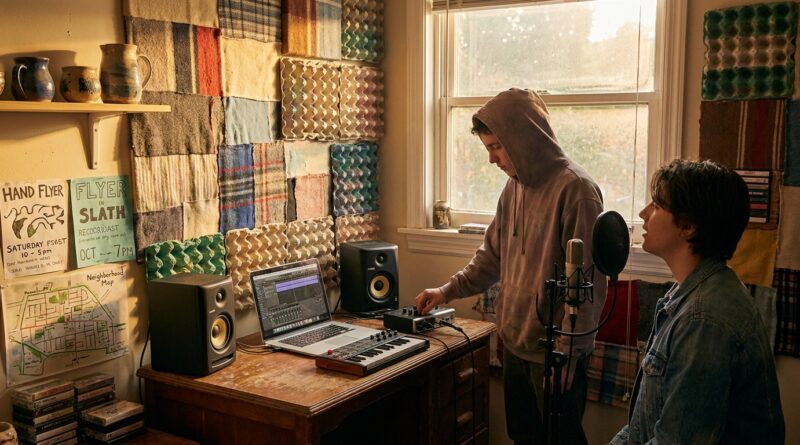
Everything sounds the same lately, and people are noticing. The café reel uses the same cheerful ukulele loop as the dentist ad. The local podcast opens with the same stock beat you heard on three YouTube channels last night. Even brands with real personality can end up sounding like a menu of preset feelings. That is frustrating for creators, and it is bad for business. At the same time, plenty of talented audio people are sitting a few blocks away in spare bedrooms, back rooms, and converted closets, ready to make something better. The gap is not talent. It is visibility. A hyper local sound studio often does not look like a studio at all. It might be a musician with acoustic panels on one wall, a podcaster with a clean vocal booth, or a sound designer recording street noise at dawn to build a city-specific audio identity. These neighborhood sound labs are small, practical, affordable, and quietly becoming one of the most useful creative services in town.
⚡ In a Hurry? Key Takeaways
- A hyper local sound studio is a small neighborhood-based audio workspace that creates custom sound, music, voice, and editing for nearby creators and businesses.
- If you run a café, podcast, shop, or local brand, start by hiring nearby audio makers for one small job, like an intro theme, ambient loop, or cleaner voice edit.
- This keeps money local, gives your project a more original sound, and often costs less than booking a traditional big-city studio.
What a Hyper Local Sound Studio Really Is
Forget the picture in your head of a giant mixing desk, a flashing control room, and a producer behind glass.
A hyper local sound studio is usually much smaller and much more useful. It can be one person with a treated spare room, a decent microphone, studio headphones, audio software, and a clear service list. It can also be a two-person setup where one handles recording and editing while the other writes music beds, tags, or sound logos.
The key is not size. It is proximity and relevance.
These studios serve people nearby. Local bars that need playlists with a real point of view. Real estate agents who want cleaner voiceovers. Clothing labels that want short campaign soundtracks. Community theaters that need sound cues. Podcasters who are tired of muddy audio. Small brands that want their social clips to sound like their neighborhood, not a global content machine.
Why This Is Happening Now
People are burned out on canned audio
Audiences may not know the name of the stock track they are hearing, but they know the feeling. Generic. Disposable. Forgettable.
Sound does a lot of emotional work. It tells you whether a place feels polished, warm, funny, serious, young, expensive, handmade, or local. If every business picks from the same pool of royalty-free tracks, those differences get flattened.
Home recording gear got good enough
You no longer need a giant commercial room to do solid work. A modern laptop, a reliable audio interface, one or two good microphones, basic room treatment, and smart editing can produce professional results for many kinds of projects.
Not every project needs a full studio day. A coffee shop ambience loop, podcast cleanup, voiceover recording, DJ drop, local ad mix, or branded intro sting can all happen in a modest room if the person knows what they are doing.
Small clients want simpler deals
Many local businesses do not need a giant production package. They need a fair price, a quick turnaround, and someone who understands the area. That makes neighborhood audio makers a good fit.
What These Micro-Studios Actually Make
People hear “sound studio” and think only of music recording. That is too narrow.
A hyper local sound studio can offer:
- Podcast recording and cleanup
- Custom intro and outro themes
- Sound logos for small brands
- Ambient sound loops for cafés, galleries, and shops
- Voiceover recording for local ads and explainers
- Live session recording for neighborhood musicians
- DJ edits and event promo audio
- Field recordings of local streets, parks, transit, markets, and events
- Audio for fashion lookbooks, pop-ups, and art shows
- Editing for church, school, or nonprofit media
This is part of a bigger local-making shift. If you liked the idea behind The Hyper-Local Utility Shed: How Backyard Fixers Are Quietly Becoming the Neighborhood’s Micro-Factory of Necessity, the pattern is similar here. People are turning ordinary home spaces into useful neighborhood services, just with microphones instead of tool benches.
Why Local Sound Matters More Than People Think
Your city has a sound
Every place does. The train brake squeal. Corner store chatter. Basketball on asphalt. Rain on rowhouse steps. A church bell. Skate wheels. A bilingual announcement. Late-night scooters. A local chant at games. These are not background details. They are identity.
When a local video, campaign, or event uses sound pulled from nowhere in particular, it loses a chance to feel rooted. Neighborhood audio makers can build from the actual place, not from a generic mood board.
Small businesses stop sounding like copies
A bakery does not need to sound like a fintech startup. A barber shop should not sound like a wellness app. Local audio helps a business feel more like itself.
That can be subtle. Maybe it is a warmer voiceover. Maybe it is a beat built around sounds recorded in the shop. Maybe it is a weekend playlist curated by someone who knows the crowd instead of an algorithm trying not to offend anyone.
Money stays closer to home
That matters. When a local clothing brand hires a nearby sound designer, the money is more likely to circle back into the same community. The maker buys food nearby, collaborates with local videographers, works with neighborhood musicians, and builds a small network that can keep growing.
How Small Creators and Businesses Can Find One
This is the tricky part. Many of these studios do not show up when you search like you would for a dentist or plumber. They may be on Instagram, Bandcamp, TikTok, Discord, flyer boards, community radio pages, or hidden inside a friend-of-a-friend chain.
Look where creative work already gathers
Check local open mics, record stores, art markets, campus media departments, community radio stations, and independent fashion pop-ups. The audio person you need may already be helping with live sound, editing reels, or making beats for local shows.
Ask better questions
Do not just ask, “Know any producers?” Ask:
- Who cleans up podcast audio around here?
- Who makes intros for local shows?
- Who records live sessions in apartments or small rooms?
- Who makes sound for fashion drops or gallery nights?
Those questions get more specific answers.
Start with a test project
You do not need to commit to a full album or giant brand package. Hire someone for one short job first. A 15-second audio logo. A podcast trailer. A clean voice recording. A custom ambient loop for your shop.
That tells you how they communicate, how they handle revisions, and whether their taste fits your project.
If You Want to Start a Hyper Local Sound Studio Yourself
This is more reachable than many people think.
You do not need perfect gear on day one
You need a quiet-enough room, basic treatment, a solid mic, an interface, headphones, and software you can actually use well. Skill beats clutter. Plenty of new audio people waste money buying things before they know what problem they are solving.
Pick a lane before you expand
It is easier to get found if people know what you do. Start with one or two offers.
For example:
- Podcast cleanup for local creators
- Custom music beds for neighborhood businesses
- Field-recorded ambient packs from your city
- Voiceover recording and editing for local ads
Once people trust you, they will ask for more.
Make local proof, not just pretty samples
A slick demo reel is nice. Real examples are better. Record a free sample intro for a community podcast. Make a short sound pack inspired by a nearby market. Build a sample café ambience loop for a local shop owner. Show work that sounds like the area you serve.
Keep your pricing simple
Many small clients get scared off by confusing quotes. Give them clear starter packages. For example:
- Podcast cleanup, per episode
- Custom intro theme, one revision included
- One-hour voice session plus final edit
- Small business audio branding starter pack
Simple pricing builds trust fast.
What Makes a Good Neighborhood Audio Maker
It is not just gear. It is judgment.
They listen before they produce
A good local sound person asks what feeling you want, where the audio will be used, what the audience is like, and what should be avoided. That matters more than fancy plugin talk.
They respect the room and the client
Bedroom studios can do strong work, but only if the person running them is organized. Clean file delivery. Consistent volume. Good session notes. Reasonable revision limits. Clear deadlines.
They understand the culture around them
This may be the biggest advantage. They know when a track feels wrong for the block, the crowd, or the event. They understand local references without turning them into tourist props.
Where Hyper-Local Sound and Other Local Crafts Meet
Some of the most interesting work is happening between categories. A neighborhood fashion label teams up with a bedroom producer for a drop soundtrack. A café hires a local field recordist to make an evening ambience set. A visual artist builds an installation with sounds from the surrounding streets. A barber launches a podcast and records it after hours in the back room.
These are not huge deals on paper. But they add up. They create a local creative economy that feels more alive and less imported.
Common Problems to Watch Out For
Not every cheap setup is a good setup
Affordable is great. Sloppy is not. Ask for samples. Listen on headphones. Check for hiss, echo, harsh voices, and uneven volume.
Rights can get messy
Make sure you know who owns the final audio. Can you use it forever? Can they resell it? Is the beat exclusive? Is the voice session cleared for ads? A simple written agreement saves headaches later.
Local does not automatically mean easy
Creative work is still work. Revisions, deadlines, and approvals still need structure. Be friendly, but write things down.
At a Glance: Comparison
| Feature/Aspect | Details | Verdict |
|---|---|---|
| Cost | Hyper-local studios usually offer smaller packages and lower overhead than major commercial studios. | Best for small businesses, podcasters, and local creators on real-world budgets. |
| Originality | Custom local audio can reflect the actual tone, culture, and rhythm of a neighborhood or city. | Much stronger than generic stock tracks if you want a distinct identity. |
| Convenience | You may need to search through local networks instead of polished global platforms, but communication is often more direct once you connect. | A little harder to find, but often easier to work with once the match is right. |
Conclusion
The interesting part is not that big studios are going away. They are not. It is that a fast-growing layer underneath them is finally becoming visible. Right now there is a real, mostly unmapped ecosystem of independent sound designers, hyper-local music and fashion collabs, and micro-studios that barely show up on business maps or mainstream tech coverage. That matters because sound shapes how a place feels to itself. When communities hire nearby audio makers, they keep more cultural identity in their own hands. They give local talent a way to earn without moving away. And they help creators, cafés, brands, and podcasts trade lifeless imported audio for something that actually sounds like their city. If you have a spare room and some audio skill, or a business that is tired of sounding like everyone else, the hyper local sound studio is not some future trend. It is already here. It is practical. It is affordable. And it might be a few doors down.