The Hyper-Local Taproom Classroom: How Neighborhood Breweries Are Quietly Becoming Skill-Sharing Hubs After Last Call
Your local brewery probably looks like two different businesses. On Friday night it is shoulder to shoulder, loud, alive, and full of regulars. On Tuesday, it can feel almost empty. That mismatch is frustrating, especially when so many local makers, teachers, crafters, and side-hustlers are scrambling for affordable space to show what they make. They do not need a glossy storefront. They need one room, a few tables, and actual human feedback. The brewery already has the room. The neighborhood already has the people. What is missing is a simple format that brings them together without turning the place into a trade show. That is where a Taproom Classroom fits. Think of it as a low-key weekly night where a neighborhood brewery hosting local makers gives residents a reason to stop by, learn something small, try something local, and meet the person behind it. It is practical, social, and surprisingly easy to test.
⚡ In a Hurry? Key Takeaways
- A weekly Taproom Classroom can help breweries fill slow nights while giving local makers a cheap, friendly place to teach, test, and sell.
- Start small with one brewer, one maker, one 60-minute session, and a simple signup sheet before building a full series.
- Keep it safe and useful by setting clear rules on alcohol service, table setup, cleanup, payment handling, and class capacity.
Why this idea makes sense right now
Craft beer is in a reset moment. Costs are up. Tastes are changing. Some taprooms are doing fine, but many are trying to stay busy without losing the neighborhood feel that made people love them in the first place.
At the same time, local makers are stuck in their own squeeze. Farmers markets are crowded. Pop-up fees add up fast. A permanent shop is out of reach for most people making candles, hot sauce, prints, pickles, ceramics, or handmade bags on nights and weekends.
So you have one group with a room and not enough weekday traffic. Another group with products and skills, but nowhere affordable to meet people. A Taproom Classroom is the obvious middle ground.
It is also more personal than scrolling through an online marketplace. You can taste the jam, smell the soap, ask how the leather wallet is made, or watch a five-minute demo on screen printing. That face-to-face moment matters.
What a Taproom Classroom actually looks like
This is not a huge festival. It should feel easy.
A simple format
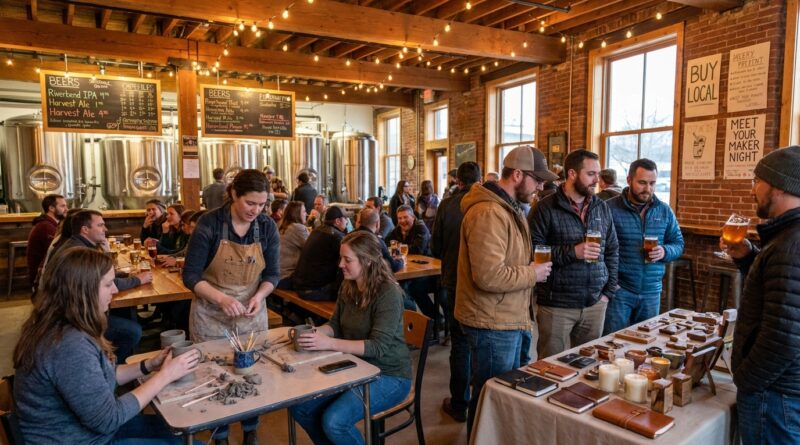
Picture a Wednesday from 6 to 8 p.m. at your favorite taproom. One local maker gets a few tables. They run a tiny class, demo, or tasting. Guests buy a beer, sit down, ask questions, and maybe leave with a small purchase or a new skill.
Examples:
- A coffee roaster teaches a 30-minute home brewing basics session.
- A ceramic artist shows how mugs are glazed and takes custom orders.
- A hot sauce maker runs a tasting flight with food pairing tips.
- A printmaker teaches a mini workshop on block printing cards.
- A gardener shows people how to start herbs in small apartments.
The key is size. Keep it intimate. Keep it real. People are more likely to return if it feels like a neighborhood hangout, not a convention hall.
Why breweries should care
If you run a brewery, empty tables on slow nights are not just sad to look at. They are missed revenue.
It fills quiet hours without fake gimmicks
A trivia night is fine. So is live music. But a classroom-style event can feel more rooted in the community. It gives people a reason to come in earlier, stay longer, and bring a friend.
It attracts the right crowd
People who come to a maker class are often curious, social, and happy to linger. They buy drinks. They talk. They come back if the experience is good.
It strengthens local identity
A brewery is not just a place that pours beer. In many towns, it is one of the few casual public spaces left where people actually gather. Using that room well can turn the brewery into a connector, not just a vendor.
If you have already seen the energy around local vendor events, this is the smaller, more repeatable cousin. A good example of that bigger trend is From Taproom Tables To Tiny Factories: How Brewery Night Markets Are Quietly Powering A New Wave Of Hyper‑Local Makers. Night markets bring scale. Taproom Classrooms bring consistency.
Why makers should care
For local creators, the appeal is obvious. You get a warm, staffed venue with built-in foot traffic and a more relaxed vibe than a packed market stall.
You get feedback, not just sales
This matters more than people think. A maker can learn a lot in one evening.
- Which price points get nods and which get raised eyebrows.
- Which product names confuse people.
- Which colors, scents, flavors, or designs pull people in.
- What questions come up again and again.
That kind of feedback is gold if you are building a side business.
You meet repeat customers face to face
A person who chats with you while holding a pint is much more likely to remember you later than someone who rushed past your booth at a giant fair.
You can test before you invest
Before paying for a bigger market, a website redesign, or new packaging, a maker can test demand in a low-risk setting.
How to start one this month
You do not need a committee, branding package, or six-month plan. Start with a pilot.
Step 1: Pick the right brewery
Look for a brewery with:
- A slow weekday night
- Enough seating to spare a corner or two
- A community-minded owner or manager
- Staff who are open to simple experiments
The best spots are neighborhood places that already host small events like run clubs, vinyl nights, book swaps, or food trucks.
Step 2: Pick one maker with a clear, easy concept
For your first event, avoid anything too complicated. Pick someone who can teach, demo, or sample without needing special gear or lots of cleanup.
Good first pilots:
- Candle pouring demo
- Hot sauce or jam tasting
- Coffee grinding and brewing basics
- Simple embroidery lesson
- Greeting card printing demo
Step 3: Keep the event short
Try 60 to 90 minutes. That is enough to create a reason to show up, but not so long that it feels like a major production.
Step 4: Make the setup dead simple
Use what the brewery already has.
- 2 to 3 tables
- 4 to 12 seats for a class format
- A handwritten sign or simple printed poster
- A signup link or RSVP in social posts
Step 5: Define the split ahead of time
Do not leave money questions fuzzy. Decide:
- Is the maker paying a flat fee, no fee, or revenue share?
- Does the brewery require a minimum drink purchase for class guests?
- Who handles ticketing if there is a class fee?
- Can the maker sell products on site?
Simple wins here too. Often the cleanest first test is no venue fee, brewery keeps drink sales, maker keeps product sales.
Small details that make the night work
Name it something people understand
“Taproom Classroom” works because it says exactly what it is. Do not get too cute. If people need it explained three times, the name is doing too much.
Promote one benefit, not ten
Do not write a giant paragraph in your event post. Lead with the clear reason to show up.
Examples:
- Learn to taste hot sauce like a pro
- Print your own set of postcards
- Meet the local ceramicist making your next coffee mug
Schedule it consistently
People remember routines. “Every second Wednesday” beats random one-off dates.
Keep prices friendly
If there is a class fee, make it approachable. This should feel like a neighborhood night out, not a luxury workshop.
What can go wrong, and how to avoid it
Most bad event ideas do not fail because the concept is awful. They fail because nobody handles the boring stuff.
Alcohol and instruction need boundaries
If there is a paid class, the brewery should still follow normal service rules. That means checking IDs, watching over-service, and making sure guests are not using tools or materials in unsafe ways.
Do not overcrowd the room
A tiny class packed into a busy taproom turns stressful fast. Cap the attendance if needed. Better to sell out 12 spots than disappoint 30 people in a noisy crush.
Skip makers that need a full commercial setup
If the event requires open flames, heavy cooking, major power use, or complicated health permits, it is not a first-pilot event. Start with easy wins.
Protect the brewery staff
Bar staff should not suddenly become event managers, cashiers, AV techs, and cleanup crew. The maker or organizer needs to handle setup, guest questions, and breakdown.
Who should organize it?
Usually one person needs to own the details. That could be:
- The brewery’s events manager
- A trusted regular who likes community organizing
- A maker collective or local chamber volunteer
The organizer’s real job is not fancy marketing. It is simply making sure the right people show up, the tables are ready, and everyone knows the plan.
How to measure if it is working
You do not need a spreadsheet worthy of a board meeting. Just track a few basics.
- How many people came
- How many stayed for more than one drink
- How much the maker sold
- How many guests signed up for the next event
- Whether staff felt the night was manageable
If all three groups say yes, brewery, maker, guests, then you have something worth repeating.
Best first categories for a neighborhood brewery hosting local makers
Not every maker fits every room. The best matches are tactile, social, and easy to understand in under 30 seconds.
- Food makers with shelf-stable samples
- Ceramics and home goods
- Textiles, mending, and embroidery
- Printmaking and paper goods
- Coffee, tea, and spice brands
- Soap, candles, and simple personal care items
Think “show and tell for grown-ups,” not “mini mall.”
How residents benefit, even if they never make or sell anything
This is the part people often miss. A Taproom Classroom is not just for entrepreneurs. It is good for regular neighbors too.
You get a walkable place to meet people who actually make things nearby. You learn where your gifts come from. You discover local talent before it disappears online. And you spend money in a way that stays closer to home.
There is also a social benefit. People are hungry for low-pressure ways to be around others that do not revolve around doomscrolling or shouting over a giant crowd. A small weekly event scratches that itch.
At a Glance: Comparison
| Feature/Aspect | Details | Verdict |
|---|---|---|
| Cost to start | Uses existing brewery space, a few tables, and basic promotion on social media or a chalkboard. | Low-cost and easy to test |
| Value for makers | Offers live feedback, product testing, small sales, and repeat customer contact without storefront rent. | High value for side-hustlers and micro-brands |
| Risk and logistics | Needs simple rules for alcohol service, capacity, cleanup, payments, and which maker categories fit the room. | Very manageable if kept small |
Conclusion
Right now, a lot of neighborhood businesses are trying to hold onto what makes them local while still paying the bills. Breweries need more good nights. Makers need more real-world doors. Residents want easier ways to support people nearby without turning it into a full Saturday mission. A weekly Taproom Classroom answers all three needs at once. The brewery fills a quiet night with honest programming. Local makers get a warm room and a ready-made audience. Neighbors get a regular place to meet the people making the things they drink, wear, eat, and give as gifts. Best of all, this is not some giant civic project. You can start it this month. One conversation with your favorite brewer. One maker with a simple idea. One test night. If it clicks, you have not just planned an event. You have started a local habit that keeps money, skills, and stories circulating inside your own ZIP code.